

...
Select a Country
Search Results
KOKU” (5)

Sorry, we couldn't find the content you were looking for.
Want to try another word or term?

Logo

The initial phase of recovery from addiction begins with discontinuing the use of the substance, allowing the body to start detoxifying. The process of staying away from the substance follows the cessation. Staying away from the substance may not always be easy, and significant changes in one's life may be necessary.

Is quitting the substance enough for recovery?

Quitting the substance is the first step towards recovery but not sufficient on its own. Recovery requires change. There are things in a person's self and life that need to be changed.

Addiction develops in a person over time. Just as the development of addiction requires a process, overcoming addiction also requires a process of change. People often fear treatment at this point because change is intimidating. When individuals are required to change their behaviors, they may step back. At this point, motivation towards change is crucial. The motivation process is an integral part of treatment.

...

For an individual, simply quitting the substance and trying to distance oneself without entering the process of change provides temporary solutions. It does not offer a permanent solution. Statements commonly heard from individuals with addiction, such as "they quit for a month but then started again," are directly related to this. When a person quits the substance, they may act as if the whole process is complete, but the crucial aspect is the effort put forth to avoid relapse.

The initial phase of recovery from addiction begins with discontinuing the use of the substance, allowing the body to start detoxifying. The process of staying away from the substance follows the cessation. Staying away from the substance may not always be easy, and significant changes in one's life may be necessary. For example, staying away from environments where substances are used, not meeting friends who use substances, changing phone numbers to prevent those who supply substances from contacting them, etc. A person might even consider changing their living environment.

Adapting to these changes and sustaining them is crucial for the continuity of treatment. During the process of quitting the substance, one should avoid any situation that might remind them of the substance, even the smallest one. Because even if a person quits the substance themselves, the brain continues to desire it. Until the person learns to resist the brain's desires, what needs to be done is to stay away from dangers.

The process of recovery should be seen as a period in which an individual integrates and changes into a substance-free life. The person begins to understand and recognize themselves, attempting to change factors that led to substance use. They also start dealing with the mental issues they face. Thus, they learn not to seek solutions for their mental problems in substances. They learn about the effects of substances on themselves and acquire the necessary knowledge and skills to avoid relapse. They learn to resist the brain's desire for substances. Thus, they prepare themselves for the external world, as there will always be triggering factors and risks in life.

The period after quitting substance use is as important as the process of quitting itself. The term used for an individual staying away from substances for a while and then returning to use is called 'relapse.' To prevent relapse, it is essential to know the phases of relapse and recognize its signals. The period when the person does not use alcohol or substances is called the 'Recovery Period.' If, thinking that "once won't hurt," the person uses substances even once, they have transitioned from the Recovery Period to the 'Testing Period.' Continuing to use, thinking that the usage is under control, is the 'Continued Testing Period.' When, after a while, the person reaches the frequency and quantities they used before, it is referred to as the 'Resuming Regular Use Period.'

Relapse does not happen immediately; it occurs after specific stages, and signals are given to the person before it happens. Some of these signals include starting to dream about alcohol or substances, reconnecting with the old environment of substance use, neglecting personal care, gaining excessive self-confidence, and thinking positively about alcohol or substances. Avoiding risky environments, recognizing the desire for alcohol or substances, and developing coping mechanisms for dealing with this desire are the primary methods to prevent relapse.

Recovery from addiction may take a long time. Experiencing relapse during the recovery period does not mean that the person cannot quit substances or alcohol. What matters is that when the risk of relapse arises, the person seeks help from professionals and believes that they can stop. In such situations, individuals should not blame or criticize themselves. Changing the environment and giving due importance to this situation can eliminate the risk of relapse.

The compliance of the individual with the treatment and their motivation are crucial in addiction treatment. People with alcohol and substance use disorder often think there is no treatment for this disease. This is a misconception! Being willing and determined makes treatment possible.

Addiction is similar to diabetes; it cannot be completely cured, but it can be managed. Research has shown that during the treatment compliance process, individuals with diabetes are less compliant with treatment compared to people with drug use disorder. However, in drug use, relapse is not only about physical problems. Social, economic, and legal problems also accompany it. Compared to other diseases, drug use becomes more critical as it causes significant destruction in the individual and family, reducing the quality of life.

The treatment of addiction requires a long process. The longer an individual stays in treatment, the higher the chances of success. To continue a successful process, the person needs to remind themselves that they are dependent, not interrupt the treatment process, and the family needs to adapt to the changes in the person's life. Therefore, family support has a significant impact on the process.

The type of treatment varies from person to person. Therefore, the most suitable treatment method should be applied, taking into account what the person needs, their environment, and the risks they are exposed to. It should not be forgotten that receiving professional support during the treatment process increases the chances of recovery.

More Latest News

...

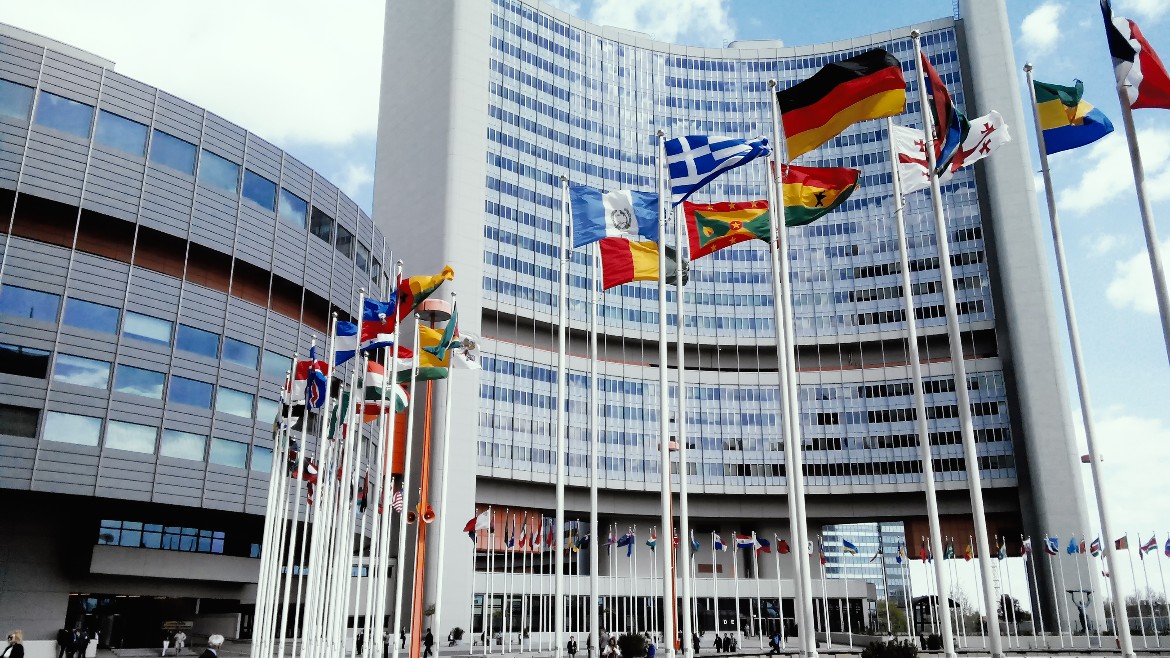
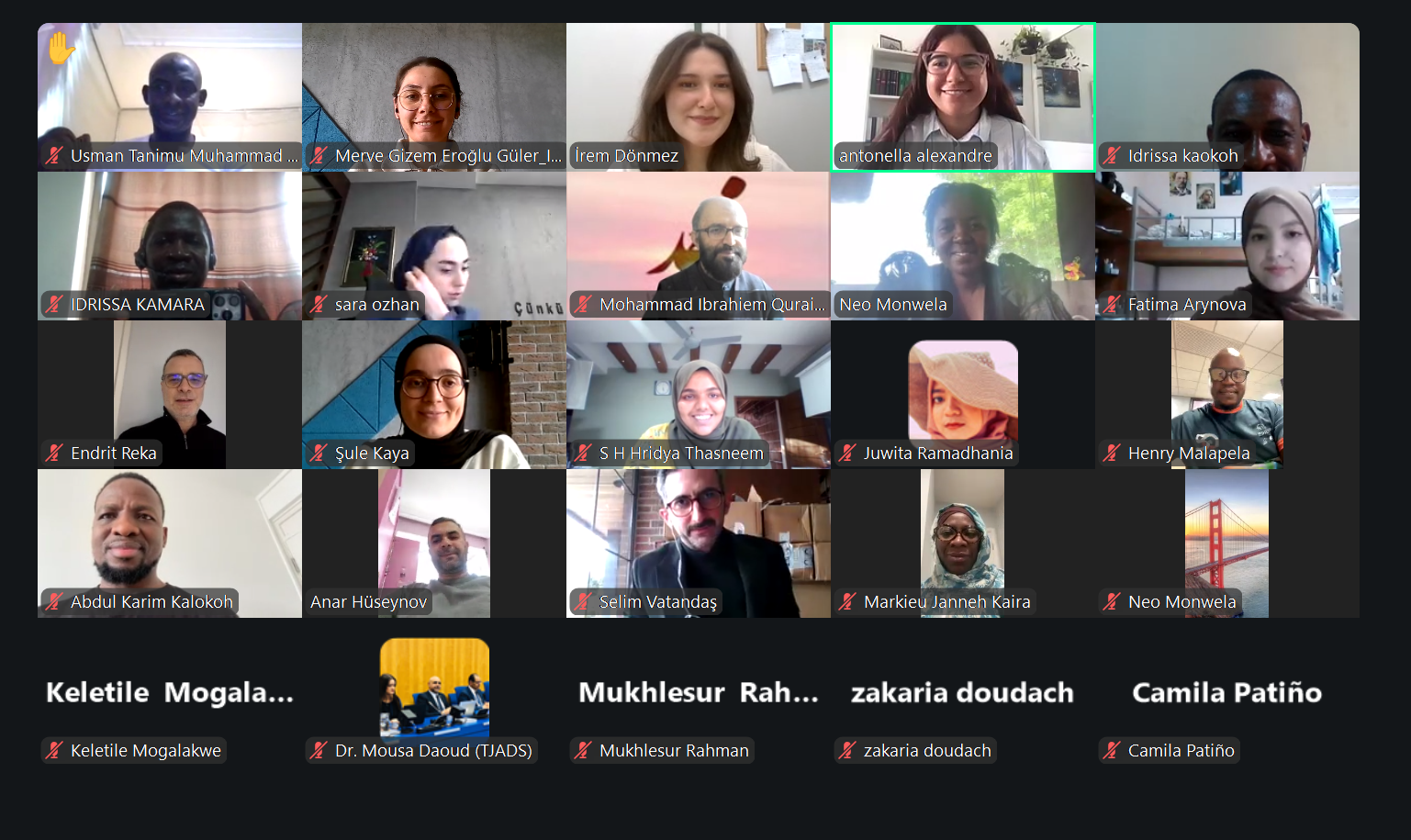
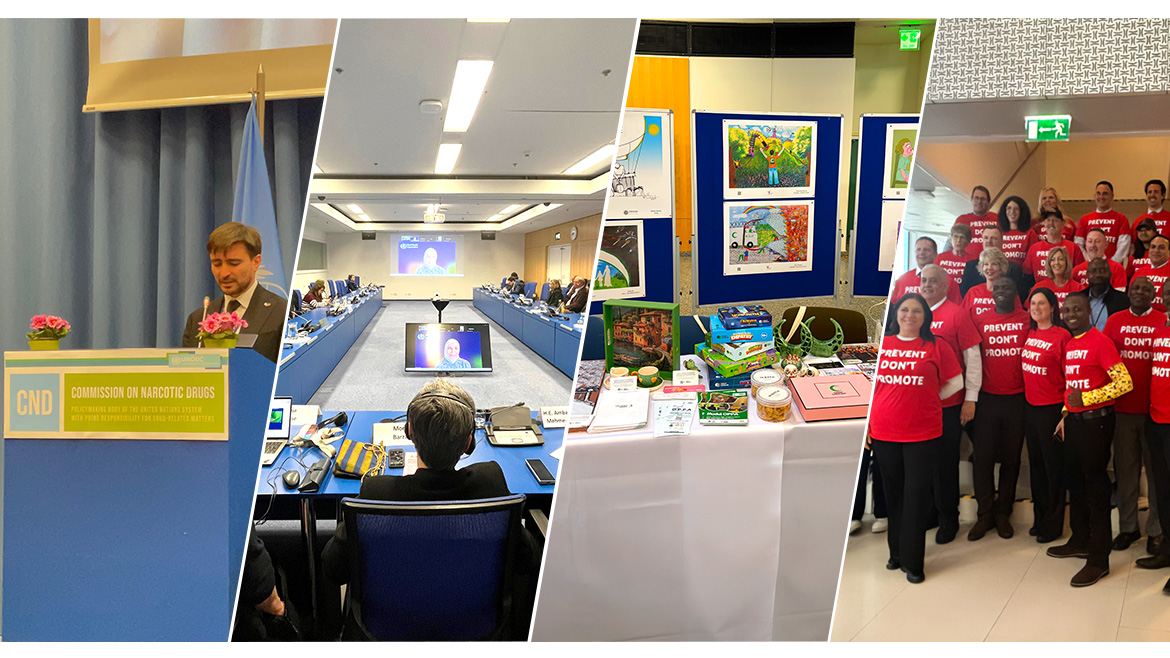
The International Federation of Green Crescent (IFGC) and its member Country Green Crescents actively participated in the 69th Session of the United Nations Commission on Narcotic Drugs (CND69), held from 9 to 13 March 2026 in Vienna, Austria and online.  Throughout the session, 16 Country Green Crescents contributed to global drug policy discussions, including Public Association Against Harmful Habits Azerbaijan (Azerbaijan), Health & Economy (Bangladesh), Conectados Pela Vida (Brazil), Yayasan Green Crescent Indonesia (Indonesia), Green Crescent Colombia (Colombia), Çaşıl Ay Koomu (Kyrgyzstan), Stardom Association (Al Najm) (Lebanon), Pertubuhan Bulan Sabit Hijau Malaysia (Malaysia), Green Crescent Health Development Initiative (Nigeria), Rwanda Youth Impact (Rwanda), Madinaty (Tunisia), Türkiye Yeşilay Cemiyeti (Turkey), Green Crescent Uruguay (Uruguay), The Jordan Anti-Drugs Society (Jordan), Green Crescent Zimbabwe (Zimbabwe), and Green Crescent Colombia (Colombia). During the session, IFGC coordinated a comprehensive programme of activities addressing key global challenges in addiction prevention and treatment. A total of eight hybrid and online side events were organized directly by Country Green Crescents, while contributions through co-sponsorship increased this number to 12 side events overall. These sessions covered a wide range of themes, including early drug use risks among migrant youth, emerging cocaine trafficking routes in Africa and Asia, poly-substance use and treatment systems, protection of children in vulnerable situations, synthetic drug prevention strategies, youth involvement in the drug economy, and the role of families and communities in strengthening resilience. Country Green Crescents leading these efforts included organizations from Lebanon, Nigeria, Zimbabwe, Türkiye, Azerbaijan, Jordan, Brazil, and Malaysia. In addition to side events, Country Green Crescents actively contributed to the formal proceedings of the Commission. Three written statements were submitted, including a joint statement on behalf of Green Crescents from Bangladesh, Jordan, Lebanon, Sudan, and Indonesia, highlighting the financial and bureaucratic barriers faced by ECOSOC-accredited NGOs from low- and middle-income countries in accessing United Nations processes. Further written contributions emphasized the importance of youth-led and community-based prevention programmes and framed drug use prevention as a fundamental human right. Two oral statements were also delivered during plenary sessions. The Turkish Green Crescent Society underlined its extensive experience in prevention, treatment, and rehabilitation, while calling for stronger, systematic prevention policies. Stardom Association (Lebanon) also delivered an oral intervention, reflecting the key messages of the joint statement on participation challenges. As part of on-site engagement in Vienna, Lebanon and Malaysia Green Crescents participated physically in the sessions, further strengthening representation from the network. In parallel, the Turkish Green Crescent Society hosted an Art for Awareness exhibition, highlighting the role of creative approaches in raising awareness and supporting prevention efforts. Through these diverse contributions, IFGC and Country Green Crescents reinforced international cooperation and demonstrated the critical role of civil society in shaping inclusive, evidence-based, and human rights-oriented drug policies.

Read More
...

We are excited to announce that the International Federation of Green Crescent (IFGC) and its member Country Green Crescents will actively participate in the 69th Session of the United Nations Commission on Narcotic Drugs (CND69), taking place from 9 to 13 March 2026 in Vienna, Austria, and online. The International Federation of Green Crescent (IFGC) and its member Country Green Crescents took part in the 69th Session of the United Nations Commission on Narcotic Drugs (CND69), held from 9 to 13 March 2026 in Vienna, Austria, and online. Our Country Green Crescents will host and contribute to several side events highlighting prevention, treatment, and policy solutions for substance use among youth and communities worldwide. You can find below the sessions you can join both in person or online, featuring the participation of IFGC Members including Conectados Pela Vida, Green Crescent Health Development Initiative, Green Crescent Colombia, Green Crescent Indonesia, Green Crescent Society, Green Crescent Uruguay, Green Crescent Malaysia, Green Crescent Zimbabwe, , Madinaty, Jordan Anti-Drugs Society, Public Association Against Harmful Habits Azerbaijan, Stardom Association, Turkish Green Crescent Society, and Caşıl Ay Koomu: Monday, 9 March, 3–4 pm (Online)Cocaine’s New Frontiers: Emerging Trafficking Routes, New Markets and Policy Responses in Africa and AsiaOrganized by the Green Crescent Health Development Initiative with support from the Jordan Anti-Drugs Society, the University of Ilorin Teaching Hospital, the University of Lagos, and Green Crescent IndonesiaJoin here The side event examines the expanding global cocaine trade—particularly its spread into Africa and Asia—and seeks to develop evidence-based recommendations that combine law enforcement with prevention, treatment, and community resilience strategies. Monday, 9 March, 3–4 pm (Hybrid, M0E05)Youth on the Move Facing Early Drug Use Risks in Transit and Host CountriesOrganized by Al Najm with support from the International Organization for Migration, Community Alliances for Drug Free Youth (CADFY), and the Karim Khan Afridi Welfare Foundation (KKAWF)Join here  This side event explores how global mobility increases young people’s vulnerability to early drug use and aims to promote coordinated, youth-sensitive prevention strategies that strengthen early intervention and international cooperation for young people on the move. Tuesday, 10 March, 3–4 pm (In-person)Drug Use Prevention as a Human Right: Life Skills to Protect Children and YouthOrganized by the Turkish Green Crescent Society with support from CADCA, Planet Youth, Proyecto Hombre, and the Singapore Anti-Narcotics Association   Tuesday, 10 March, 11:30 am–12:30 pm (Hybrid, M7)Rethinking Treatment Systems and Policy Design in the Context of Poly-Substance Use and Co-Occurring Addictive BehaviorOrganized by Green Crescent Zimbabwe with support from the European Federation of Therapeutic Communities, the San Patrignano Foundation, and the Turkish Green Crescent SocietyJoin hereThis side event examines the growing challenge of poly-substance use and co-occurring addictive behaviours, aiming to promote evidence-informed, person-centred policies that better support integrated and responsive treatment systems.   Wednesday, 11 March, 10–11 am (Online)Protecting Children in Vulnerable Situations: Family and Community Prevention in Urban SettingsOrganized by the Public Association Against Harmful Habits Azerbaijan with support from Conectados Pela Vida, Green Crescent Society, Madinaty, and the Singapore Anti-Narcotics AssociationJoin hereThis side event examines how family- and community-based prevention approaches in urban settings can reduce children’s exposure to drug-related risks by strengthening protective relationships, safe environments, and coordinated support systems. Wednesday, 11 March, 11:30 am–12:30 pm (Hybrid, M0E100)Synthetic Drugs and Youth Protection – Evidence-Based Strategies for Prevention, Resilience, and Sustainable DevelopmentOrganized by the Jordan Anti-Drugs Society with support from the International Federation of Green Crescent, the Vienna NGO Committee on Drugs, and other partnersJoin hereThis side event addresses the growing threat of synthetic drugs by promoting evidence-based prevention, international cooperation, and youth-focused strategies to strengthen community resilience and support balanced drug policies.   Wednesday, 11 March, 4:30–5:30 pm (Online)Youth Recruitment into the Drug Economy: Violence, Prevention Gaps and Policy Lessons from Latin AmericaOrganized by Conectados Pela Vida with support from Green Crescent Colombia, Green Crescent Uruguay, and other partnersJoin hereThis side event examines how structural inequalities drive youth recruitment into the drug economy in Latin America and highlights prevention-focused policies—such as education retention, youth employment, and community-based interventions—to reduce these risks. Thursday, 12 March, 11:30 am–12:30 pm (Hybrid, M0E79)Families at the Centre: Strengthening Mental Health Literacy for Addiction Prevention and Community ResilienceOrganized by Green Crescent Malaysia with support from international partners including Green Crescent Indonesia, CADFY, and the Drug Free America FoundationJoin hereThis side event highlights how strengthening families’ mental health literacy can support early intervention, reduce stigma, and enhance family-centred prevention of substance use. Through these events, IFGC and Country Green Crescents aim to share expertise, foster international cooperation, and promote innovative, evidence-based approaches to addiction prevention and youth protection.  

Read More

Contact Us

We would like to evaluate cooperation opportunities and communicate for joint projects.

Our Focus Points

To answer your questions in the fields of Addiction and Public Health...

All rights are reserved 2026 © International Federation of Green Cresent
Personal Data Protection Policy

Terms and Conditions

Copyright 2026 © International Federation of Green Cresent