



We use cookies to ensure you get the best experience on our website. Detailed information
Select a Country

Taking measures to prevent diseases, improve our health, and extend our lifespan

A disease affecting people from all walks of life

The condition where technology controls a person

Individuals may be referred to addiction treatment centers if deemed necessary

Promoting mental well-being by coping with stress and recognizing abilities
One of the most widely abused substances globally due to nicotine addiction

Activation of the brain's reward pleasure mechanism by repeating a certain behavior

Complete well-being physically, mentally, and socially

A product containing vaporized nicotine reported as harmful.

1.85 million out of 3 million deaths in 2017 were preventable.

The process of recovery by combating addiction

Inability to quit substances despite knowing the physical and psychological harms

Risking something valuable in hopes of gaining something more valuable

The beginning of the body's purification process after quitting substance use

The process of reintegrating into society healthily
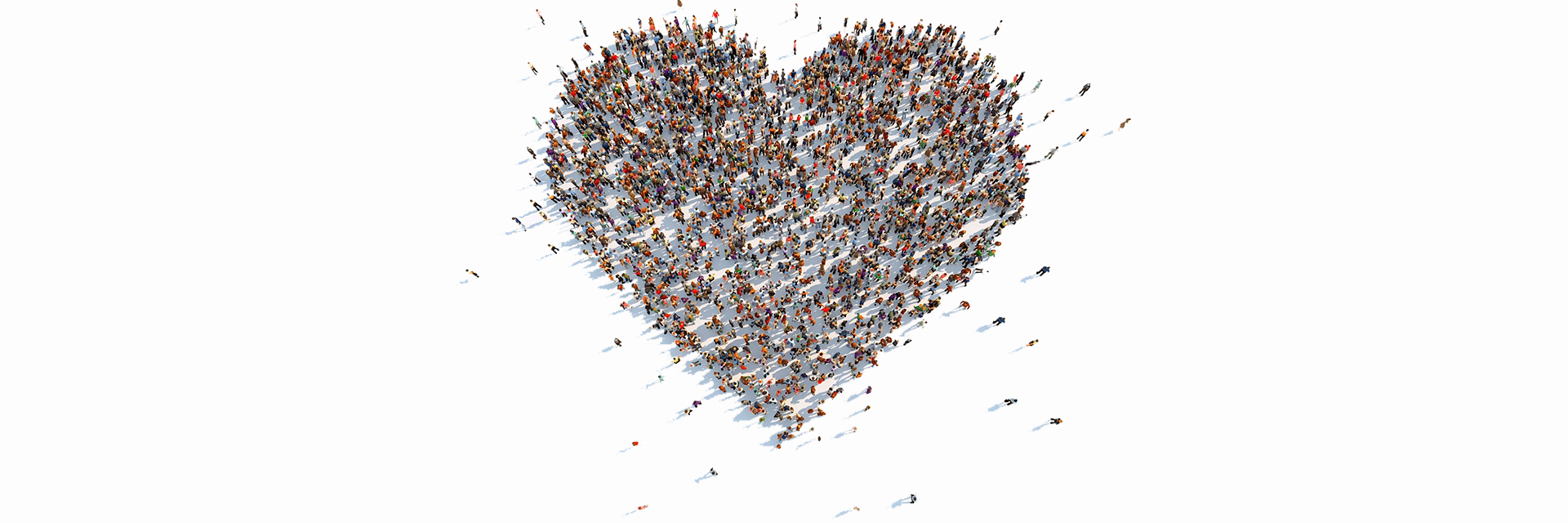
Public health, the art and science of preventing disease, prolonging life, and promoting physical and mental health, sanitation, personal hygiene, control of infectious diseases, and organization of health services. From the normal human interactions involved in dealing with the many problems of social life, there has emerged a recognition of the importance of community action in the promotion of health and the prevention and treatment of disease, and this is expressed in the concept of public health.
In the realm of public health, it's vital to subject the emergence and spread of issues, as well as methods to prevent them, to rigorous scientific researches. This involves analyzing scientific data and sharing it with the public and authorities. National and international scientific conferences play a crucial role in exploring approaches to preventing addiction and assessing implementation opportunities within the context of public health.
Ensuring the health and well-being of individuals without any disease or disability, maintaining their health and improving it as well as enhancing their quality of life are fundamental responsibilities within the field of Public Health. While other medical specialties prioritize treating diseases, Public Health places health above all else. In Public Health, healthcare must be provided to the entire community, regardless of whether there's a demand for services, as being healthy is not just a prerequisite for individual happiness but also a human right that extends beyond personal welfare to societal well-being.

In Public Health services, a variety of initiatives aim to preserve and enhance public health. These include immunization against infectious diseases, nutritional education to promote balanced diets, measures to combat air and water pollution, preventive actions against harmful substance use like alcohol and addiction and raising awareness to encourage healthy lifestyles. Since ordinary individuals typically don't seek out such services on their own, ensuring their participation in these initiatives requires specialized expertise and presents a challenging task.
3 Elements of Public Health (3P)
(P)revention
(P)romotion
(P)rotection
Public health, a cornerstone of sustainable development, intersects with various issues and sectors, spanning from economics to social engagement, climate change to security. Therefore, collaboration, a prerequisite for global development, is an integral aspect of public health endeavors.
While the Millennium Development Goals set specific targets for certain diseases between 2000 and 2015, the Sustainable Development Goals established in 2015 articulate a broader objective in health. Aligned with the aim of "Ensuring healthy lives and promoting well-being for all at all ages," the UN has issued a global call to action.
Countries with the most successful public health initiatives are typically those classified as developed nations. Recognizing that a nation's most valuable asset is its healthy human capital, these countries prioritize preventive and promotive activities to safeguard and enhance public health, rather than solely focusing on hospital-based medical treatments. Consequently, in countries that prioritize public health, where individuals rarely seek healthcare facilities with requests such as "prolong my life" or "protect my children from infectious diseases and harmful substance habits," the average life expectancy at birth is significantly longer, infant and child mortality rates are much lower, and overall health indicators are notably superior compared to other nations.
Globally, one of the major challenges in addiction treatment lies in the disparities in accessing appropriate treatment and support services. Especially in low-income countries, there may be insufficient resources and expertise available for addiction treatment. This situation exacerbates global inequality in addressing addiction-related issues.
On a global scale, tobacco use remains one of the greatest threats to public health, causing over 8 million deaths annually and tobacco control continues to be a global health priority. According to the World Health Statistics 2023 report, there have been significant reductions in per capita alcohol consumption in Europe (17% decrease) and Africa (18% decrease) between 2000 and 2019, while the Americas region has experienced stagnation, and significant increases in per capita consumption have been observed in the Southeast Asia (112% increase) and Western Pacific (40% increase) regions.
Additionally, a study published in Tension Trusted Source has found that even small amounts of alcohol consumption can raise blood pressure.
Current research on gambling shows that approximately 40% of adolescents engage in simulated gambling games. However, it is noted that even these games, which do not involve financial risk, can still increase individuals' interest in gambling. The shift of adults who grew up with video games and online gambling to sports betting is the newest area of interest for researchers trying to understand the effects on both people with gambling addiction and those exposed to gambling early.
In June 2023, the United Nations Office on Drugs and Crime (UNODC) published the "World Drug Report." According to the report, one out of every 17 individuals aged 15-64 has used at least one illicit drug within the past year. The estimated number of drug users increased from 250 million in 2011 to 296 million in 2021. Additionally, according to the European Drug Report, cannabis continues to be the most widely consumed illicit drug in Europe.
Efforts in public health require a special worldview, a different philosophy, and are an open field for collaboration not only for physicians but also for many professions related to health or social sciences.
Since public health efforts are directed towards society without individual demands and results take a long time to emerge, successful outcomes may not be immediately visible. Therefore, the primary source of satisfaction in preventing addiction is the improvement in the health status and quality of life of the communities in which individuals live.
For more detailed information on the topics covered in this section, you may refer to the following sources:
· Britannica Editors. (2025, October 11). Public health. Encyclopaedia Britannica. https://www.britannica.com/topic/public-health
· World Health Organization (WHO) (2023). World Health Statistics 2023. Geneva: WHO. https://www.who.int/data/gho
· United Nations Office on Drugs and Crime (UNODC) (2023). World Drug Report 2023. Vienna: UNODC. https://www.unodc.org
· European Monitoring Centre for Drugs and Drug Addiction (EMCDDA) (2023). European Drug Report 2023. Lisbon: EMCDDA. https://www.emcdda.europa.eu
To answer your questions in the fields of Addiction and Public Health...

All rights are reserved 2026 © International Federation of Green Cresent
Personal Data Protection Policy
Terms and Conditions
Copyright 2026 © International Federation of Green Cresent