
...
Select a Country
Search Results
KOKU” (5)

Sorry, we couldn't find the content you were looking for.
Want to try another word or term?

Logo

ALCOHOL ADDICTION

According to the World Health Organization (WHO), alcohol  addiction is defined as a disorder resulting from the repeated or continuous use of alcohol. According to the diagnostic criteria of the American Psychiatric Association’s DSM-5, alcohol addiction is a problematic pattern of alcohol use leading to clinically significant distress or impairment in daily functioning, as manifested by at least two of the following symptoms within a twelve-month period.

What Health Problems Does Alcohol Addiction Cause?

Use of alcohol is one of the leading global health risk factors and contributes to numerous diseases, creating significant social and economic burdens on communities. Alcohol addiction often occurs alongside various psychological and physical problems. Individuals diagnosed with alcohol addiction may have an increased risk of dependence on other substances and experience mental health issues such as mood disorders, depression, anxiety, schizophrenia, and personality disorders. Physically, alcohol addiction can lead to liver enlargement, fatty liver, jaundice, cancer, cirrhosis, high blood pressure, heart

...

Alcohol use also impairs brain function, resulting in frequent difficulties such as balance problems, challenges in performing skill-based tasks, alcohol-related dementia, and memory impairment. 

Alcohol lowers testosterone levels (male hormone) while increasing estrogen levels (female hormone). It disrupts vitamin balance in the body, causes dehydration, and promotes fat accumulation, which can lead to weight problems, muscle loss, and weakness.

Alcohol use damages the nervous system, potentially causing tremors in the hands and tingling or numbness in the legs.

Some individuals use alcohol believing it positively affects or facilitates sexual activity; however, contrary to this perception, it often causes multiple problems.
Alcohol consumption during pregnancy can lead to growth and developmental delays in the fetus.

Research shows that alcohol use is responsible for approximately 3 million deaths worldwide each year. The harms caused by alcohol affect not only the individual consuming it but also their family members and those around them, leading to various health disorders and social problems.


Distinguishing alcohol addiction from occasional alcohol consumption can be challenging since alcohol is widely accepted and consumed in many cultures. Symptoms of alcohol addiction include:

Development of Tolerance: The need for increasing amounts of alcohol to maintain the same effect.

Withdrawal Symptoms: Mental and physical distress resulting from reducing or quitting alcohol use, alleviated by resuming alcohol consumption.

Loss of Control: Exceeding planned amounts of alcohol use.

Time and Energy Expenditure: Excessive time and energy spent on obtaining, using, or recovering from alcohol effects.

Social and Occupational Issues: Decreased or complete abandonment of significant social and professional activities due to alcohol use.

Failed Attempts: Unsuccessful attempts to control or quit alcohol use.

Conscious Harmful Alcohol Use: Continuing alcohol consumption despite awareness of its harmful effects.

Recognizing early warning signs is crucial, considering the worsening trend of alcohol addiction over time. Early diagnosis and treatment can help individuals avoid negative consequences. If you know someone struggling with alcohol addiction, providing support is essential. Avoiding shame or guilt can help reduce the individual's resistance to seeking help.

Alcohol addiction causes physical and psychological damage by affecting different parts of the central nervous system. Some effects include:

  • Esophageal, laryngeal, gastric, and pancreatic cancers.
  • Impaired brain functions such as thinking, decision-making, and movement.
  • Sleep disorders, headaches, eye damage.
  • Heart and circulatory diseases.
  • Impaired blood clotting.
  • Severe liver damage.


Acknowledging alcohol misuse or the development of alcohol addiction can take time due to alcohol's social nature as a psychoactive substance. Many individuals continue social alcohol use while developing alcohol addiction. Those using alcohol and seeking treatment, along with their families, can seek treatment from addiction treatment centers and psychiatric clinics associated with hospitals. Treatment should be tailored to the individual's needs, with the main goal being sobriety, requiring long-term follow-up after treatment.

Differential diagnosis and treatment of accompanying psychiatric disorders are crucial. Long-term follow-up after treatment is necessary, as relapses often occur within the first 6 months. The family of individuals with alcohol addiction plays a significant role in the addiction treatment. If the individual continues drinking, the spouse stating that they cannot stay with them as long as they continue may be a sufficient reason for the individuals with alcohol addiction to attempt quitting alcohol. If the individual refuses to undergo an original treatment program for alcoholism, the relationship between the doctor and the individual with alcohol addiction should not be severed, and a psychosocial crisis where the individual accepts treatment should be awaited.

Some considerations for the relatives of a substance-using person include:

• Helping the individual with alcohol addiction see the consequences of their behavior.

• Showing genuine interest and remembering that alcohol problems are an illness.

• Acquiring knowledge about addiction treatment methods

•Being prepared for the individual with alcohol addiction to accept help.

• Pre-arranging with the treatment center for necessary organization.

• Recognizing early warning signs, considering the worsening trend of addiction over time.

For more detailed information on the topics covered in this section, you may refer to the following sources:

  • American Psychiatric Association (2014). DSM-5: Diagnostic and Statistical Manual of Mental Disorders (Trans. E. Köroğlu). Ankara: Hekimler Publishing House
  • 101 Questions on Addiction (2019). [Link: 101 Soruda Bağımlılık | Yeşilay (yesilay.org.tr)]
  • Organisation for Economic Co-operation and Development (OECD) (2023). Health at a Glance 2023. [Link: https://www.oecd.org/content/dam/oecd/en/publications/reports/2023/11/health-at-a-glance-2023_e04f8239/7a7afb35-en.pdf ]
  • World Health Organization (2025). ICD-11 for Mortality and Morbidity Statistics: Disorders due to Use of Alcohol. [Link: https://icd.who.int/browse/2025-01/mms/en#1676588433 ]
  • World Health Organization (2020). Alcohol and Cancer in the WHO European Region: An Appeal for Better Prevention. [Link: https://iris.who.int/bitstream/handle/10665/336595/WHO-EURO-2020-1435-41185-56004-eng.pdf ]
  • World Health Organization (2024). Alcohol Fact Sheet. [Link: https://www.who.int/news-room/fact-sheets/detail/alcohol ]

More Latest News

...

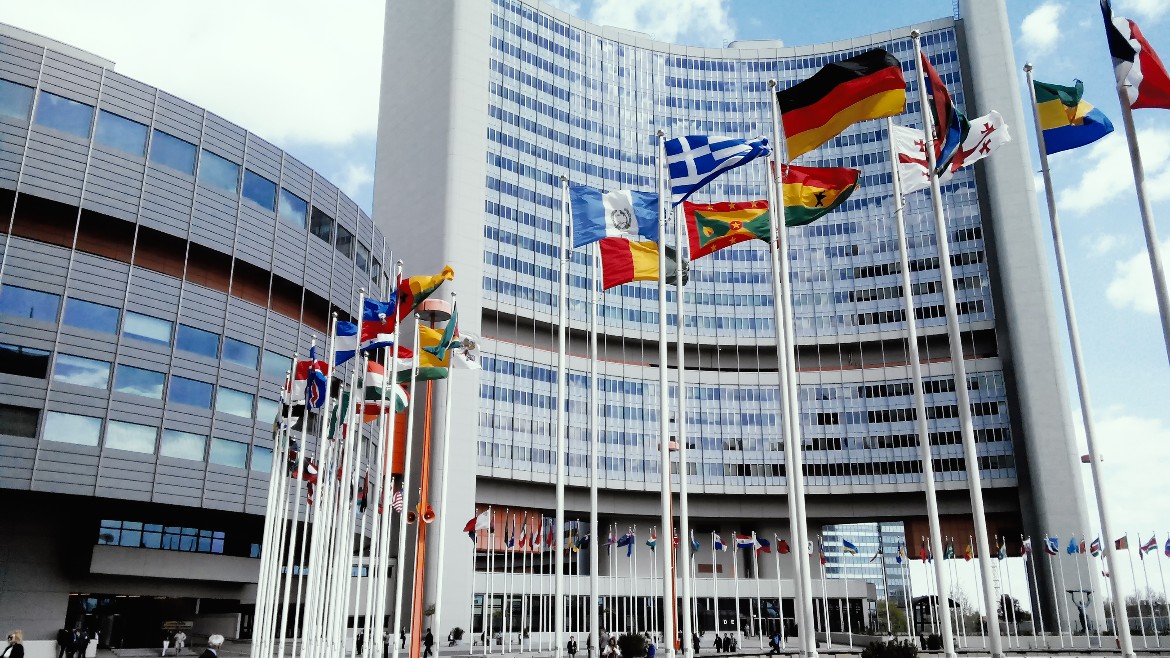
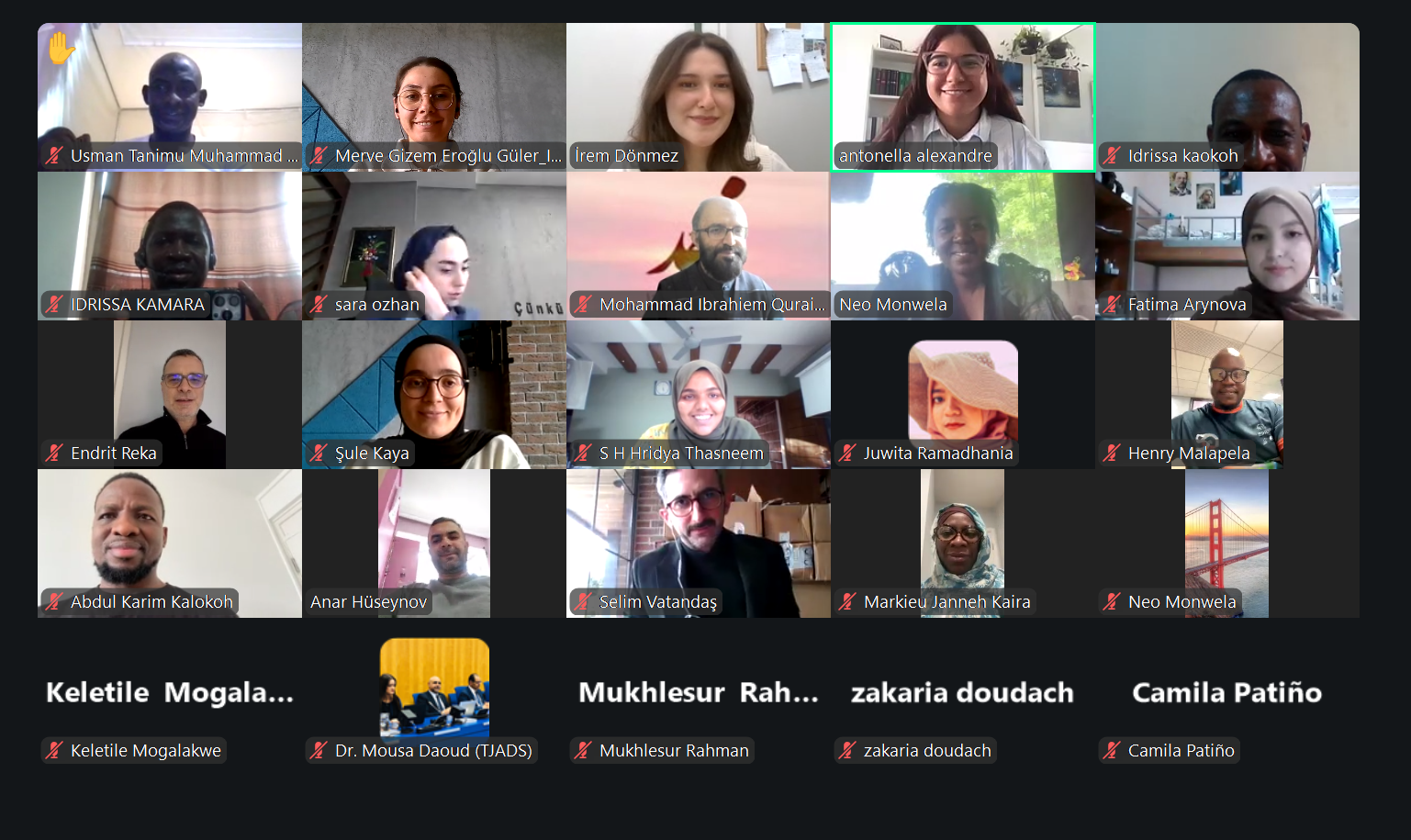
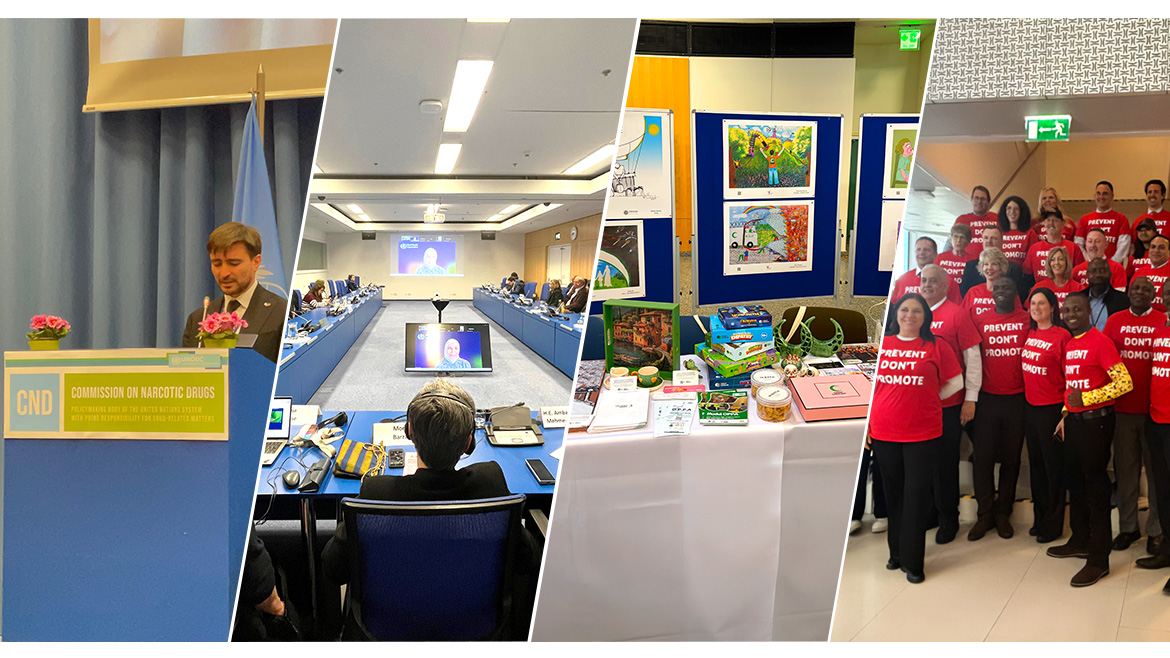
The International Federation of Green Crescent (IFGC) and its member Country Green Crescents actively participated in the 69th Session of the United Nations Commission on Narcotic Drugs (CND69), held from 9 to 13 March 2026 in Vienna, Austria and online.  Throughout the session, 16 Country Green Crescents contributed to global drug policy discussions, including Public Association Against Harmful Habits Azerbaijan (Azerbaijan), Health & Economy (Bangladesh), Conectados Pela Vida (Brazil), Yayasan Green Crescent Indonesia (Indonesia), Green Crescent Colombia (Colombia), Çaşıl Ay Koomu (Kyrgyzstan), Stardom Association (Al Najm) (Lebanon), Pertubuhan Bulan Sabit Hijau Malaysia (Malaysia), Green Crescent Health Development Initiative (Nigeria), Rwanda Youth Impact (Rwanda), Madinaty (Tunisia), Türkiye Yeşilay Cemiyeti (Turkey), Green Crescent Uruguay (Uruguay), The Jordan Anti-Drugs Society (Jordan), Green Crescent Zimbabwe (Zimbabwe), and Green Crescent Colombia (Colombia). During the session, IFGC coordinated a comprehensive programme of activities addressing key global challenges in addiction prevention and treatment. A total of eight hybrid and online side events were organized directly by Country Green Crescents, while contributions through co-sponsorship increased this number to 12 side events overall. These sessions covered a wide range of themes, including early drug use risks among migrant youth, emerging cocaine trafficking routes in Africa and Asia, poly-substance use and treatment systems, protection of children in vulnerable situations, synthetic drug prevention strategies, youth involvement in the drug economy, and the role of families and communities in strengthening resilience. Country Green Crescents leading these efforts included organizations from Lebanon, Nigeria, Zimbabwe, Türkiye, Azerbaijan, Jordan, Brazil, and Malaysia. In addition to side events, Country Green Crescents actively contributed to the formal proceedings of the Commission. Three written statements were submitted, including a joint statement on behalf of Green Crescents from Bangladesh, Jordan, Lebanon, Sudan, and Indonesia, highlighting the financial and bureaucratic barriers faced by ECOSOC-accredited NGOs from low- and middle-income countries in accessing United Nations processes. Further written contributions emphasized the importance of youth-led and community-based prevention programmes and framed drug use prevention as a fundamental human right. Two oral statements were also delivered during plenary sessions. The Turkish Green Crescent Society underlined its extensive experience in prevention, treatment, and rehabilitation, while calling for stronger, systematic prevention policies. Stardom Association (Lebanon) also delivered an oral intervention, reflecting the key messages of the joint statement on participation challenges. As part of on-site engagement in Vienna, Lebanon and Malaysia Green Crescents participated physically in the sessions, further strengthening representation from the network. In parallel, the Turkish Green Crescent Society hosted an Art for Awareness exhibition, highlighting the role of creative approaches in raising awareness and supporting prevention efforts. Through these diverse contributions, IFGC and Country Green Crescents reinforced international cooperation and demonstrated the critical role of civil society in shaping inclusive, evidence-based, and human rights-oriented drug policies.

Read More
...

We are excited to announce that the International Federation of Green Crescent (IFGC) and its member Country Green Crescents will actively participate in the 69th Session of the United Nations Commission on Narcotic Drugs (CND69), taking place from 9 to 13 March 2026 in Vienna, Austria, and online. The International Federation of Green Crescent (IFGC) and its member Country Green Crescents took part in the 69th Session of the United Nations Commission on Narcotic Drugs (CND69), held from 9 to 13 March 2026 in Vienna, Austria, and online. Our Country Green Crescents will host and contribute to several side events highlighting prevention, treatment, and policy solutions for substance use among youth and communities worldwide. You can find below the sessions you can join both in person or online, featuring the participation of IFGC Members including Conectados Pela Vida, Green Crescent Health Development Initiative, Green Crescent Colombia, Green Crescent Indonesia, Green Crescent Society, Green Crescent Uruguay, Green Crescent Malaysia, Green Crescent Zimbabwe, , Madinaty, Jordan Anti-Drugs Society, Public Association Against Harmful Habits Azerbaijan, Stardom Association, Turkish Green Crescent Society, and Caşıl Ay Koomu: Monday, 9 March, 3–4 pm (Online)Cocaine’s New Frontiers: Emerging Trafficking Routes, New Markets and Policy Responses in Africa and AsiaOrganized by the Green Crescent Health Development Initiative with support from the Jordan Anti-Drugs Society, the University of Ilorin Teaching Hospital, the University of Lagos, and Green Crescent IndonesiaJoin here The side event examines the expanding global cocaine trade—particularly its spread into Africa and Asia—and seeks to develop evidence-based recommendations that combine law enforcement with prevention, treatment, and community resilience strategies. Monday, 9 March, 3–4 pm (Hybrid, M0E05)Youth on the Move Facing Early Drug Use Risks in Transit and Host CountriesOrganized by Al Najm with support from the International Organization for Migration, Community Alliances for Drug Free Youth (CADFY), and the Karim Khan Afridi Welfare Foundation (KKAWF)Join here  This side event explores how global mobility increases young people’s vulnerability to early drug use and aims to promote coordinated, youth-sensitive prevention strategies that strengthen early intervention and international cooperation for young people on the move. Tuesday, 10 March, 3–4 pm (In-person)Drug Use Prevention as a Human Right: Life Skills to Protect Children and YouthOrganized by the Turkish Green Crescent Society with support from CADCA, Planet Youth, Proyecto Hombre, and the Singapore Anti-Narcotics Association   Tuesday, 10 March, 11:30 am–12:30 pm (Hybrid, M7)Rethinking Treatment Systems and Policy Design in the Context of Poly-Substance Use and Co-Occurring Addictive BehaviorOrganized by Green Crescent Zimbabwe with support from the European Federation of Therapeutic Communities, the San Patrignano Foundation, and the Turkish Green Crescent SocietyJoin hereThis side event examines the growing challenge of poly-substance use and co-occurring addictive behaviours, aiming to promote evidence-informed, person-centred policies that better support integrated and responsive treatment systems.   Wednesday, 11 March, 10–11 am (Online)Protecting Children in Vulnerable Situations: Family and Community Prevention in Urban SettingsOrganized by the Public Association Against Harmful Habits Azerbaijan with support from Conectados Pela Vida, Green Crescent Society, Madinaty, and the Singapore Anti-Narcotics AssociationJoin hereThis side event examines how family- and community-based prevention approaches in urban settings can reduce children’s exposure to drug-related risks by strengthening protective relationships, safe environments, and coordinated support systems. Wednesday, 11 March, 11:30 am–12:30 pm (Hybrid, M0E100)Synthetic Drugs and Youth Protection – Evidence-Based Strategies for Prevention, Resilience, and Sustainable DevelopmentOrganized by the Jordan Anti-Drugs Society with support from the International Federation of Green Crescent, the Vienna NGO Committee on Drugs, and other partnersJoin hereThis side event addresses the growing threat of synthetic drugs by promoting evidence-based prevention, international cooperation, and youth-focused strategies to strengthen community resilience and support balanced drug policies.   Wednesday, 11 March, 4:30–5:30 pm (Online)Youth Recruitment into the Drug Economy: Violence, Prevention Gaps and Policy Lessons from Latin AmericaOrganized by Conectados Pela Vida with support from Green Crescent Colombia, Green Crescent Uruguay, and other partnersJoin hereThis side event examines how structural inequalities drive youth recruitment into the drug economy in Latin America and highlights prevention-focused policies—such as education retention, youth employment, and community-based interventions—to reduce these risks. Thursday, 12 March, 11:30 am–12:30 pm (Hybrid, M0E79)Families at the Centre: Strengthening Mental Health Literacy for Addiction Prevention and Community ResilienceOrganized by Green Crescent Malaysia with support from international partners including Green Crescent Indonesia, CADFY, and the Drug Free America FoundationJoin hereThis side event highlights how strengthening families’ mental health literacy can support early intervention, reduce stigma, and enhance family-centred prevention of substance use. Through these events, IFGC and Country Green Crescents aim to share expertise, foster international cooperation, and promote innovative, evidence-based approaches to addiction prevention and youth protection.  

Read More

Contact Us

We would like to evaluate cooperation opportunities and communicate for joint projects.

Our Focus Points

To answer your questions in the fields of Addiction and Public Health...

All rights are reserved 2026 © International Federation of Green Cresent
Personal Data Protection Policy

Terms and Conditions

Copyright 2026 © International Federation of Green Cresent