


We use cookies to ensure you get the best experience on our website. Detailed information
Select a Country

Taking measures to prevent diseases, improve our health, and extend our lifespan

A disease affecting people from all walks of life

The condition where technology controls a person

Individuals may be referred to addiction treatment centers if deemed necessary

Promoting mental well-being by coping with stress and recognizing abilities

One of the most widely abused substances globally due to nicotine addiction

Activation of the brain's reward pleasure mechanism by repeating a certain behavior

Complete well-being physically, mentally, and socially

A product containing vaporized nicotine reported as harmful.

1.85 million out of 3 million deaths in 2017 were preventable.

The process of recovery by combating addiction

Inability to quit substances despite knowing the physical and psychological harms

Risking something valuable in hopes of gaining something more valuable

The beginning of the body's purification process after quitting substance use

The process of reintegrating into society healthily
The Scientific Working Group connects members' research efforts, facilitates national and global studies, and promotes evidence-based addiction prevention. Bringing together experts from multiple countries, the group strengthens scientific collaboration, monitors emerging trends, and supports research-driven approaches across the IFGC network.
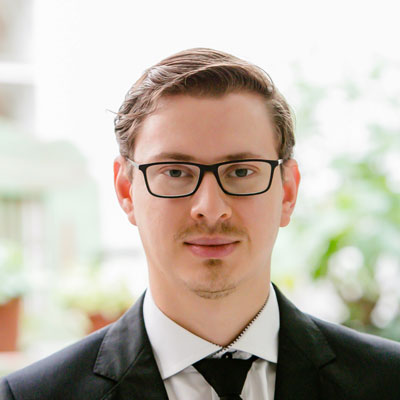
Alexandre Kieslich da Silva, M.D., is a Brazilian psychiatrist specializing in addiction psychiatry and mood disorders, he completed residencies in general and addiction psychiatry and holds a Master’s degree focused on depression within medical sciences. His professional profile includes extensive research training, peer-reviewed publications, and contributions to national drug policy and prevention frameworks. He is an active member of national and international psychiatric associations and has received advanced training in evidence-based psychotherapeutic approaches for addiction and complex psychiatric conditions.
As one of the four working groups established under the IFGC umbrella, the Scientific Working Group serves as a collaborative platform for advancing research capacity across more than 65 member organizations. Despite the global challenges NGOs face, IFGC members recognize that coordinated scientific efforts and shared expertise are essential to achieving sustainable impact in addiction prevention.
The group brings together members focused on scientific research and operates under the guidance of an elected Chair, with technical support provided by the IFGC Secretariat. It facilitates both national and global research initiatives, encourages the sharing of best practice examples, and monitors current trends at local, national, regional, and international levels. The Working Group also contributes mutually to the Addicta journal and promotes research applications to international funding opportunities. Through structured meetings and peer collaboration, it strengthens data-driven approaches and fosters a culture of scientific excellence within the IFGC network.
Scientific Working Group has defined the following objectives:
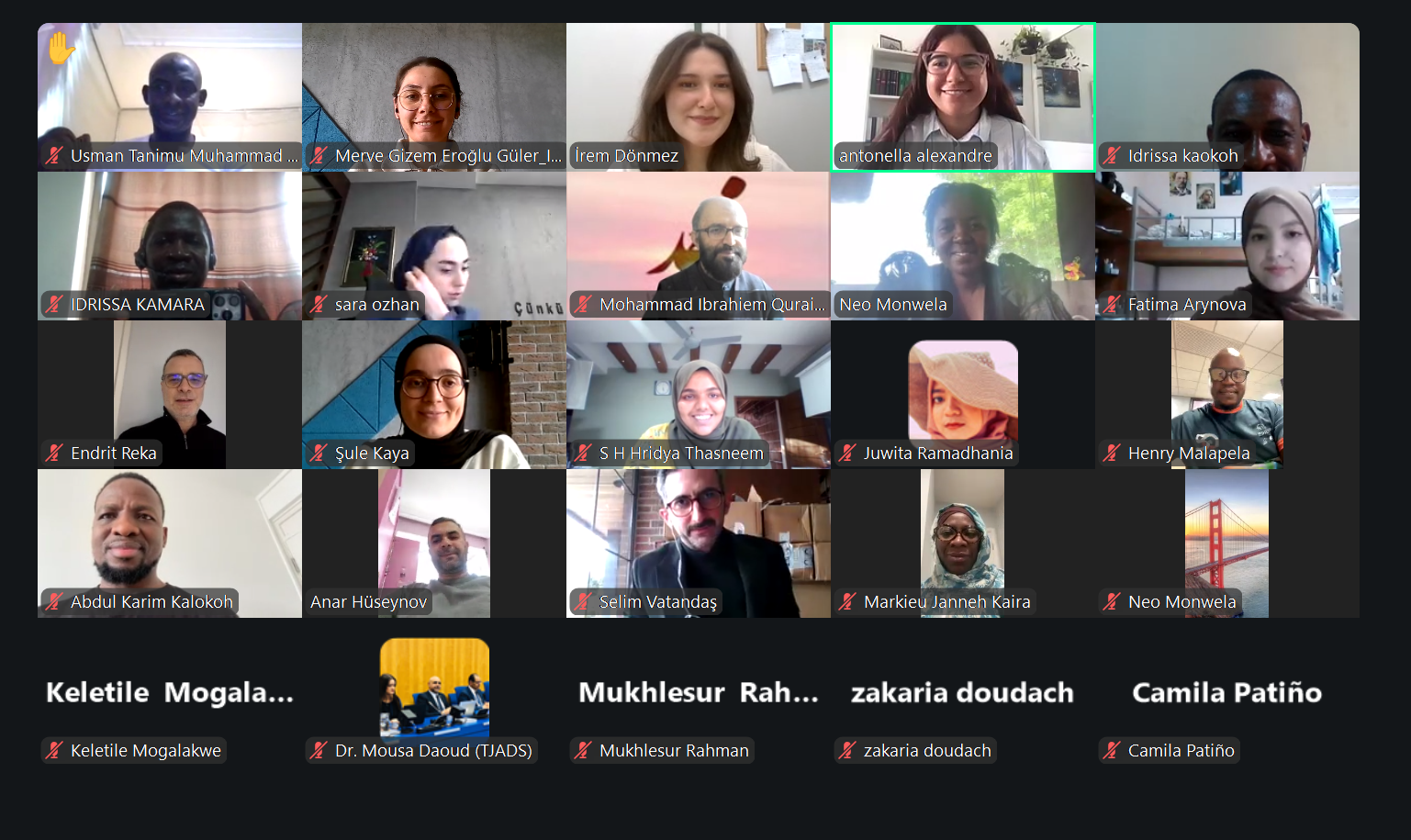
The participants of the group:
1. Brazil: Alexandre Kieslich da Silva (President) and Fernando Godoy Neves (Treasurer)
2. Indonesia: Era Catur Prasetya (President) and Hari Nugroho (Head of Research and Development)
3. Malaysia: Ahmad Fairuz Bin Mohamed (President) and Balqis Binti Muhamad Kasim Balqis (Secretary)
4. Nepal: Pujan Sharma (Secretary)
5. Nigeria: Tajudeen Oluwafemi Abiola (Secretary-General)

All rights are reserved 2026 © International Federation of Green Cresent
Personal Data Protection Policy
Terms and Conditions
Copyright 2026 © International Federation of Green Cresent