


...
Select a Country
Search Results
KOKU” (5)

Sorry, we couldn't find the content you were looking for.
Want to try another word or term?

Logo

BEHAVIORAL ADDICTIONS

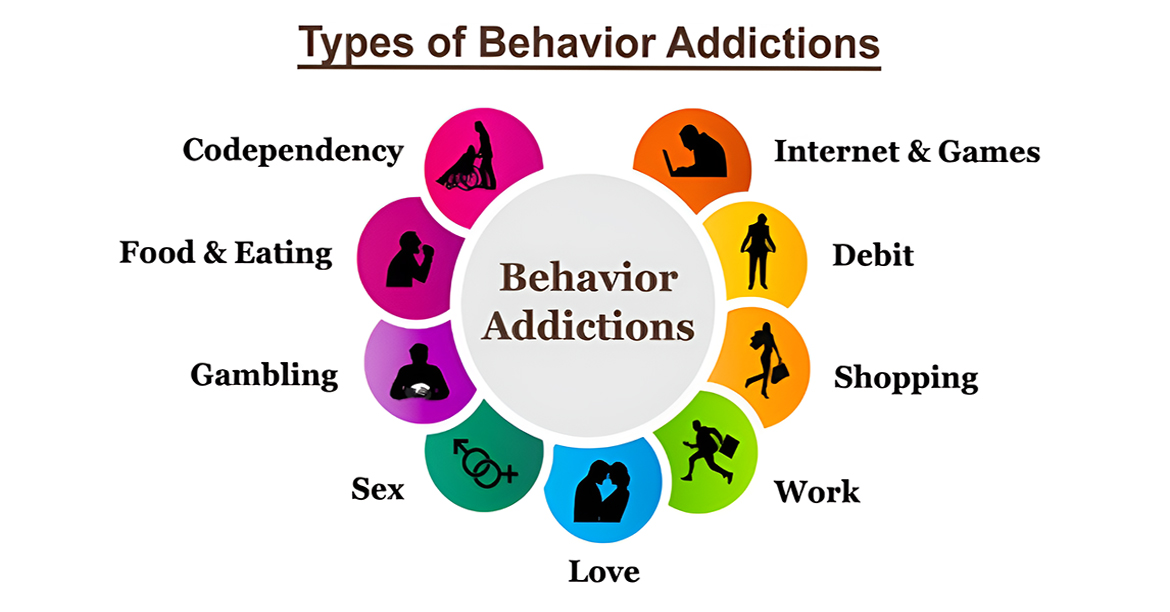
The term behavioral addiction refers to an individual developing an intense attraction or compulsive inclination towards a specific behavior. These types of addictions arise when certain behaviors trigger the brain's reward and pleasure mechanism through repetition.

How Are Addictions Classified Into Behavioral And Chemical Types?

Addictions are typically divided into two primary categories: behavioral and chemical. Behavioral addictions represent situations where individuals experience discomfort, but the condition does not stem from substance use; instead, it revolves around specific behaviors. In such cases, individuals may find pleasure, relaxation and a sense of well-being when engaging in certain behaviors. However, if these behaviors lead to adverse outcomes, individuals may lose control over them, experience a weakened willpower and become mentally and physically consumed, indicating a behavioral addiction.

...

Individuals with addiction often find their behaviors psychologically satisfying or enjoyable. However, feelings of guilt, remorse or anger may follow, leaving them feeling helpless due to the consequences of their ongoing choices. Coping with behavioral addictions can be challenging, as individuals often struggle to quit or reduce a specific behavior or action without treatment or intervention, leading to unsuccessful attempts to quit.

Numerous studies in the literature highlight the distinction between investigating the action that triggers addiction and its pathological level of use, compared to chemical addictions. While chemical addictions are characterized by tolerance and withdrawal, these physical symptoms may not be as evident in behavioral addictions. However, they still manifest to some extent. For a behavior to be considered addictive, it must encompass criteria such as mental preoccupation, mood variability, tolerance, withdrawal, interpersonal conflict and repetition.


More Latest News

...

The Board of Directors Meeting of the International Federation of Green Crescent (IFGC), whose permanent secretariat is carried out by the Turkish Green Crescent Society, was held on 29–30 January 2026 in Istanbul, Türkiye. During the meeting, the Federation’s ongoing activities were reviewed, and key issues related to organizational structure, governance processes, and strategic priorities were discussed. The meeting was attended by IFGC Board Members and IFGC Secretary General Ambassador Dr. Mehmet Güllüoğlu. Participants included Kazım Ateş, President of Green Crescent Australia (Australia); Petar Gramatikof, Board Member of Yeshilay Bulgaria Association (Bulgaria); Shagabitdin Kerimov, President of Dagestan Green Crescent (Dagestan); Era Catur Prasetya, President of Yayasan Green Crescent Indonesia (Indonesia); Nihad Dervisevic, Secretary General of Zeleni Krst – Zeleni Polumsejec (Serbia); and Magid Mayanja Kagimu, President of the Uganda Green Crescent Society (Uganda). Following the Board Meeting, participants attended the Strong Family Workshop organized by the Turkish Green Crescent Society. Conducted through interactive dialogue, the workshop addressed effective parent–child communication methods and protective approaches against addictions. As part of the program, on Friday, 30 January 2026, the IFGC Board Members carried out a field visit to the Bursa Green Crescent Rehabilitation Center. During the visit, participants received comprehensive information on the Center’s services and had the opportunity to observe Türkiye’s rehabilitation and treatment practices on site.  The field visit included a detailed presentation by Tuba Bilmişoğlu, Director of the Bursa Green Crescent Rehabilitation Center. Board Members examined rehabilitation and treatment approaches firsthand and exchanged views with expert professionals on addiction prevention, recovery processes, and psychosocial support practices. The visit contributed to the international sharing of the Green Crescent’s experience in the field of rehabilitation. The IFGC Board of Directors Meeting aims to strengthen the Federation’s strategic direction, enhance governance capacity, promote international cooperation, and further reinforce its global role in addiction prevention, treatment, and public health advocacy.   

Read More
...

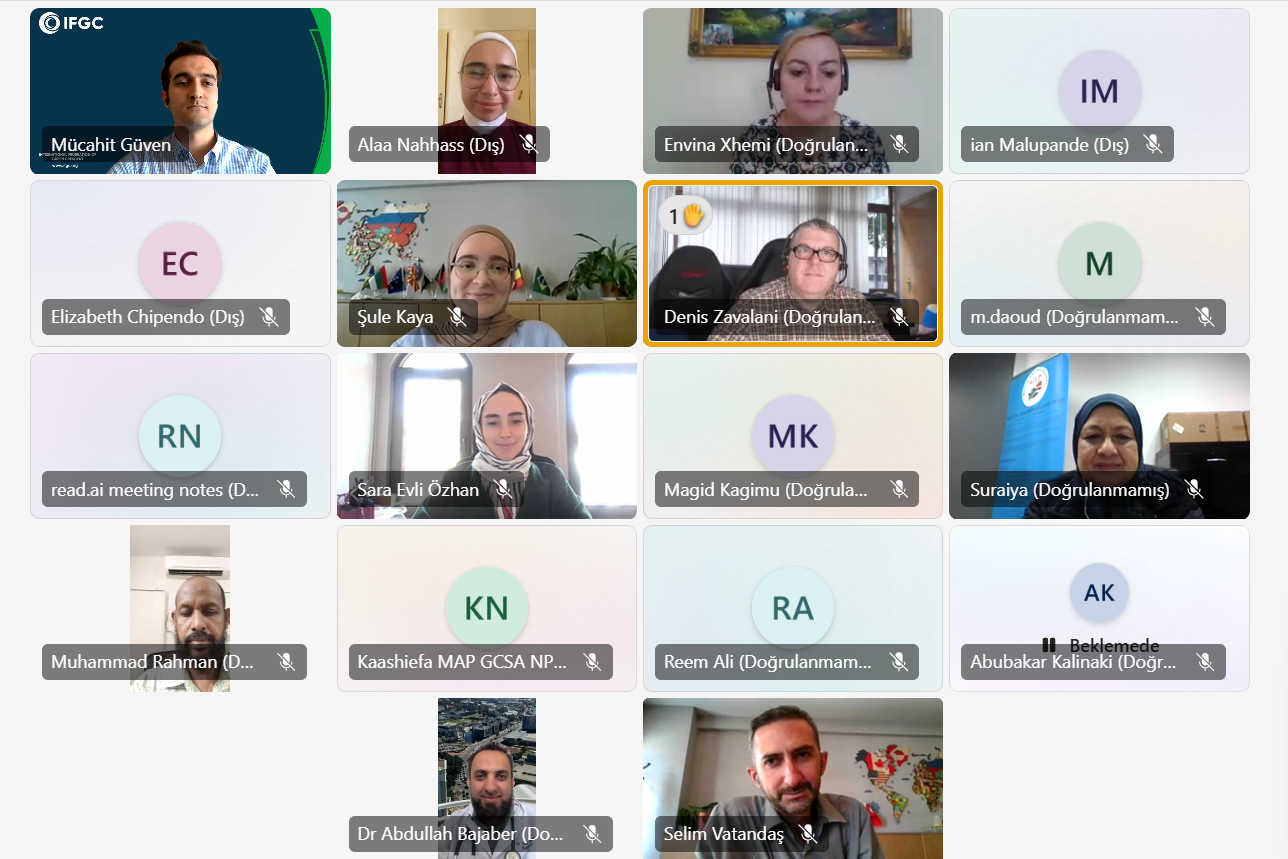
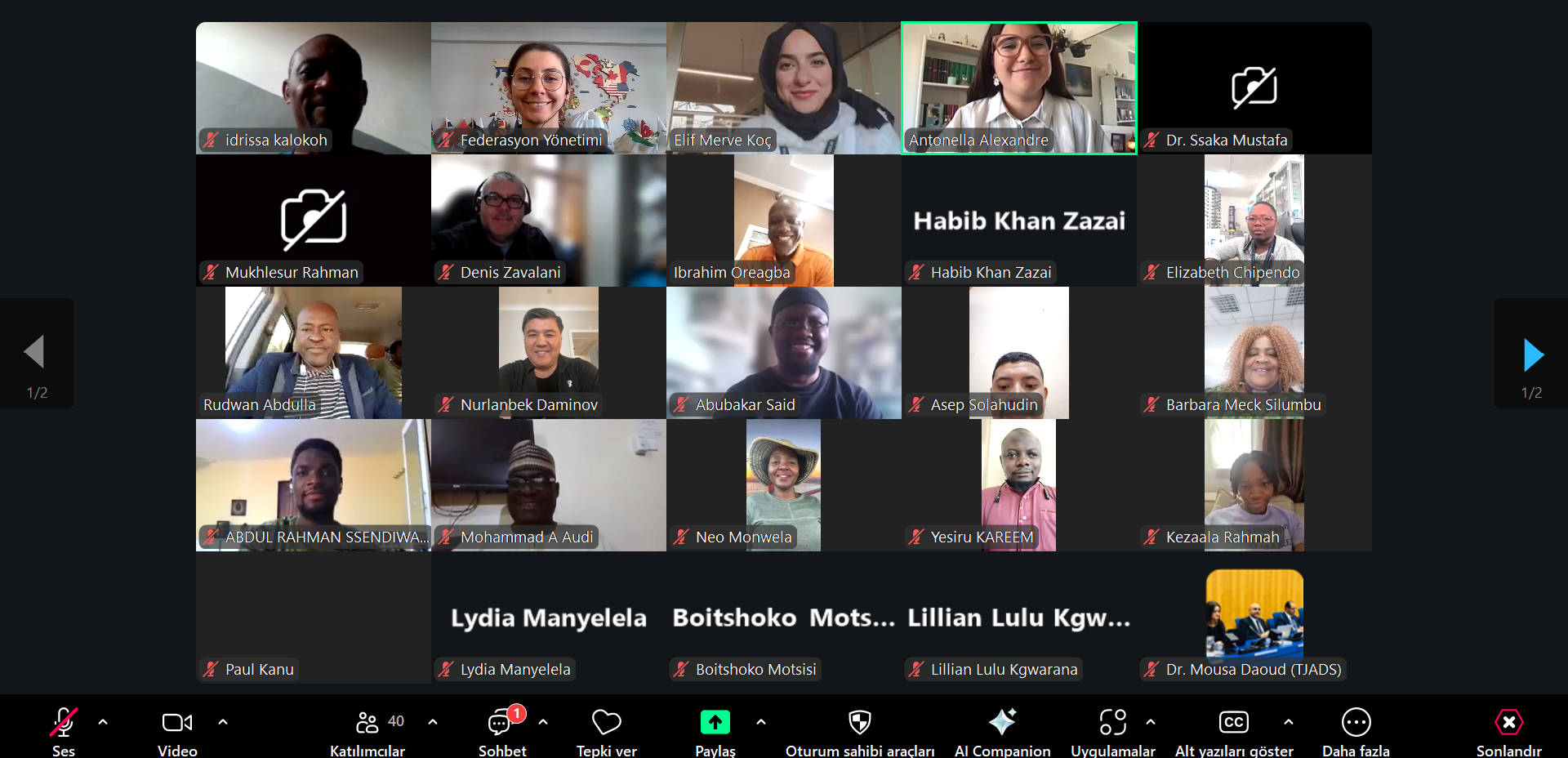
The International Federation of Green Crescent (IFGC) has taken significant steps throughout 2026 to strengthen international cooperation, institutional capacity, and global advocacy through its active Working Groups. The Scientific Working Group, the Fundraising and Project Management Working Group, and the Advocacy and International Collaboration Working Group have collectively contributed to expanding IFGC’s engagement and visibility at the international level. Established on 12 June 2025, the IFGC Scientific Working Group has advanced international research cooperation through a series of structured meetings. To date, the Group has convened eight meetings, bringing together representatives from Green Crescents in Brazil, Indonesia, Malaysia, Nepal, and Nigeria. During this process, all participating countries independently developed and submitted research proposals reflecting their national priorities in addiction prevention and treatment, marking the first fully self-led international funding application undertaken by Green Crescents. The eighth meeting of the Scientific Working Group, held on 23 January 2026, focused on refining the Group’s draft roadmap. Discussions highlighted the potential cultural adaptation of the Turkish Addiction Prevention Programme (TBM) as well as opportunities for strengthened international cooperation. The meeting also explored the Working Group’s potential role in supporting IFGC’s collaboration with international organizations such as the World Health Organization (WHO), the United Nations Office on Drugs and Crime (UNODC), and the International Organization for Migration (IOM), particularly in the development of evidence-based project concepts and the identification of regional and thematic priorities. The IFGC Fundraising and Project Management Working Group has served as a collaborative platform to enhance the fundraising and project management capacities of Country Green Crescents, guided by principles of transparency, inclusiveness, and collective accountability. Throughout 2025, the Group held four online meetings addressing shared challenges in grant access, proposal development, compliance, reporting, and project implementation. The election of Dr. Mousa Daoud, President of the Jordan Green Crescent, as Chair further strengthened coordination and collective learning among member organizations. Launched in December 2025, the IFGC Advocacy and International Collaboration Working Group has focused on reinforcing IFGC’s engagement within United Nations platforms, particularly the Commission on Narcotic Drugs. Through a series of online meetings, members coordinated advocacy efforts related to written and oral statements, side event planning, sponsorship mechanisms, and thematic priorities aligned with public health–oriented drug policies. Discussions also emphasized broader advocacy opportunities beyond the CND and highlighted the importance of coordination with other IFGC Working Groups to ensure coherent, credible, and sustained international advocacy.  

Read More

Contact Us

We would like to evaluate cooperation opportunities and communicate for joint projects.

Our Focus Points

To answer your questions in the fields of Addiction and Public Health...

All rights are reserved 2026 © International Federation of Green Cresent

Personal Data Protection Policy

Terms and Conditions

Copyright 2026 © International Federation of Green Cresent